
Walking With MS? These Shoes Changed Everything: A Complete Guide to Cadense Adaptive Footwear for Balance, Stability & Foot Drop Support
Introduction
Walking is one of those things everyone takes for granted—until MS makes it harder. Suddenly, every step becomes intentional. You’re constantly negotiating with your own body:
- Will my foot lift high enough?
- Will this floor be slippery?
- Will I drag my toes again?
- Why does walking feel so exhausting today?
For many people with multiple sclerosis, these questions show up daily. Some days are manageable. Other days… it feels like your legs and brain aren’t speaking the same language.
That’s why finding the right footwear matters more than most people realize. The wrong shoes can make symptoms worse. The right shoes can make walking feel smoother, safer, and less draining.
And that brings us to Cadense—a footwear brand explicitly engineered for people dealing with mobility challenges like foot drop, balance issues, neuropathy, fatigue, spasticity, and neurological gait changes.
These aren’t “just comfortable shoes.”
Cadense shoes are adaptive tools, built with patented technology to help you move with more confidence and less effort.
👉 Explore Cadense Shoes: https://livewithms.com/cadenseshoes
Let’s dive into how Cadense works, why they’re becoming so popular in the MS community, and what you can realistically expect.
🧠 How MS Affects Walking (And Why Shoes Can Help)
Walking is supposed to be automatic. Your brain, spinal cord, muscles, and nerves communicate constantly to coordinate each step.
But MS disrupts those communication pathways, causing walking issues that vary from mild to severe.
Here are the most common MS-related walking challenges—many of which Cadense specifically addresses:
🦶 Foot Drop
Foot drop happens when the muscles that lift your toes don’t fire properly.
This leads to:
- toe dragging
- tripping over small obstacles
- needing to lift your leg higher (compensatory gait)
- fatigue from overusing other muscles
Even mild foot drop can turn smooth walking into a constant effort.
⚖️ Balance Problems

MS can affect:
- proprioception (knowing where your body is in space)
- coordination
- cerebellar function
- postural stability
This creates that “unsteady” feeling—especially on:
- uneven sidewalks
- grocery store tiles
- wet floors
- sloped surfaces
A supportive, stable shoe makes a big difference.
🔥 Neuropathic Pain, Burning, or Numbness
Shoes that press in the wrong places can worsen:
- tingling
- burning
- stabbing pains
- hypersensitivity
Cadense designs their shoes with comfort, cushioning, and a wide toe box to help minimize nerve irritation.
🦵 Muscle Weakness or Spasticity
Weak hip flexors, stiff quads, tight calves—these all affect gait.
Supportive shoes can reduce compensation and fatigue.
😮💨 Fatigue From Walking
MS fatigue makes walking feel like dragging weights around. Heavy shoes only make that worse.
Cadense solves this by building lightweight, energy-efficient shoes that reduce strain.
🪜 Difficulty on Uneven Ground
People with MS often struggle when switching surfaces or stepping over small bumps.
Cadense’s unique glide-and-grip technology helps with transitions.
The problem?
Most regular shoes aren't built for ANY of this.
Running shoes, fashion sneakers, minimalist shoes—they’re not designed for neurological walking issues.
Cadense is.
🚀 What Makes Cadense Different? (And Why MS Walkers Love Them)
Cadense shoes were designed specifically for people with walking difficulties caused by:
- MS
- stroke
- neuropathy
- Parkinson’s
- cerebral palsy
- foot drop
- balance disorders
Their technology is not something you find in standard shoes.
Let’s break it down.
⚙️ Patented Variable-Friction “Glide” Technology
This is what makes Cadense truly unique.
Each shoe includes two elevated nylon pucks on the sides of the sole.
💨 When you step forward…
Your foot glides smoothly, helping reduce:
- toe catching
- tripping
- the effort required to swing your leg
- the inward/outward wobble during foot transition
This helps people with foot drop and fatigue tremendously.
🛑 When you put weight on your foot…
The pucks retract into the foam, exposing a high-traction rubber zone.
This prevents slipping and gives you a firm base to push off from.
Simple version:
- Slide when you need to move
- Grip when you need to stabilize
👉 This glide-to-grip transition is a game changer.
🌀 Rocker Sole for Easier Movement
Cadense builds a gentle rocker into the midsole.
This helps:
- roll your foot forward
- compensate for weak dorsiflexion
- reduce the need to lift your toes high
- lower strain on ankles, knees, and hips
For people with MS who struggle with gait, this design makes each step feel more “automatic.”
👟 Wide Toe Box & AFO-Friendly Fit
Cadense shoes are intentionally roomy because many people with neurological conditions need space for:
- swelling
- altered foot shape
- nerve sensitivity
- AFOs or orthotic inserts
This makes them more comfortable than typical narrow athletic shoes.
🪶 Lightweight Build Reduces Fatigue
Cadense shoes weigh significantly less than most orthopedic or supportive footwear.
Lighter shoes =
✔ less energy used
✔ less leg strain
✔ less compensation
✔ longer walking endurance
For MS fatigue, this matters a lot.
🏔️ Excellent Stability for Weak Ankles or Balance Issues
The outsole is wider and flatter than typical sneakers, giving you:
- better control
- improved balance
- more lateral stability
- steadier steps
People report feeling “more sure-footed” on uneven surfaces.
✋ Easy On/Off Design
MS can cause:
- hand weakness
- fumbling
- limited dexterity
- difficulty tying laces
Cadense uses an adjustable Velcro strap disguised as a modern shoe design, making it easy to slip them on with one hand.
🧘 Natural Gait Support Without Bulky Orthopedic Appearance
Adaptive shoes often look medical.
Cadense shoes don’t.
They look like clean, modern lifestyle sneakers — good for:
- work
- grocery runs
- daily errands
- casual outfits
- travel
They let people support their mobility without announcing their condition to the world.
❤️ Who Can Benefit the Most?
Cadense shoes are especially helpful for:
✔ People with mild–moderate foot drop
✔ Anyone with gait instability
✔ People who drag or shuffle their feet
✔ Walkers who fatigue quickly
✔ Those who feel unsteady on uneven surfaces
✔ People who want lightweight, stable shoes
✔ People with neuropathy who need soft cushioning
✔ Anyone who wants adaptive shoes that look normal
This includes men and women of all ages.
📉 How MS Symptoms Specifically Improve With Cadense
Let’s map each MS walking problem to the Cadense solution:
🦶 Foot Drop
➡️ Glide surface reduces tripping
➡️ Rocker sole helps toes lift
➡️ Provides toe clearance without extra effort
⚖️ Balance Issues
➡️ Stable platform
➡️ Wider stance
➡️ High-traction grip
🔥 Neuropathic Pain/Numbness
➡️ Soft cushioning
➡️ Wide toe box
➡️ Reduced pressure points
😮💨 Fatigue
➡️ Lightweight design
➡️ Energy-efficient sole movement
➡️ Less muscle compensation
🧱 Difficulty on Uneven Ground
➡️ Glide-over-small-obstacles
➡️ Stability on slopes
➡️ Grip when stopping
🦵 Weakness or Stiffness
➡️ Rocker minimizes ankle/knee strain
➡️ Smoother gait cycle
For many people with MS, the cumulative effect is powerful.
⭐ Real-World Feedback: What People Actually Say
Across hundreds of reviews, common themes include:
✨ “Walking feels easier and smoother.”
✨ “My foot doesn’t get stuck on uneven ground anymore.”
✨ “Great for my mild foot drop.”
✨ “I can walk longer before needing to rest.”
✨ “My balance feels better.”
✨ “Less knee and hip pain.”
People love the fact that these look like normal shoes—but perform like adaptive medical tools.
🔍 Cadense vs. Regular Shoes: Why Most Sneakers Fail MS Walkers
Most people with MS try:
- running shoes
- minimalist shoes
- hiking shoes
- casual sneakers
- memory foam shoes
Unfortunately, those usually create more problems:
❌ Running Shoes
Too flexible → unstable.
High heel-to-toe drop → worsens foot drop.
Too cushioned → bad for balance.
❌ Minimalist Shoes
Require strong ankles and nerves.
Terrible for instability.
❌ Heavy Shoes
Increase fatigue.
Make legs work harder.
❌ Orthopedic Shoes
Often bulky and unattractive.
Cadense sits in a perfect middle ground:
✔ supportive
✔ lightweight
✔ adaptive
✔ stylish
✔ actually engineered for neurological walking
🎯 What You Can Expect (Realistically)
👍 What Cadense Can Do
- reduce tripping
- make walking smoother
- improve balance
- reduce toe drag
- help with uneven surfaces
- lessen fatigue
- reduce pain and compensation
- improve confidence
👎 What Cadense Cannot Do
- cure MS
- eliminate all mobility issues
- replace AFOs in severe cases
- guarantee perfect stability
Think of Cadense as a mobility aid disguised as a stylish shoe.
🧭 How to Choose the Right Cadense Shoes
Here are practical tips:
✔ If you have foot drop
Choose models with the strongest rocker sole.
✔ If you have wide feet, swelling, or neuropathy
Choose wide fits.
✔ If you fatigue easily
Choose the lightest-weight models.
✔ If you wear AFOs
Double-check depth and room (Cadense accommodates many).
✔ If you struggle with laces
Choose the Velcro closure designs.
✔ If you walk on lots of uneven surfaces
Look for the newest sole traction designs.
👣 How to Adapt to the Glide Technology
Cadense feels different at first because of the glide-to-grip transition.
Most people adapt quickly:
Day 1 → feels unusual
Day 3 → feels smoother
Day 7 → feels natural
Day 14 → most report improved gait
Your body learns the rhythm.
💡 Pro Tips From PTs & Users
(Yes, physical therapists recommend these)
- Start indoors on smooth floors
- Practice on carpet + tile + hardwood
- Walk slowly at first
- Allow a short break-in period
- Test them with or without your usual orthotics
- If you use a cane, try walking with your cadence pattern first
🏁 Final Verdict: Are Cadense Shoes Worth It for People With MS?
If walking has become harder, heavier, or more unpredictable because of MS, Cadense shoes are absolutely worth considering.
They are not miracle cures.
But they are smart, well-engineered tools that help you walk:
- more confidently
- more efficiently
- more comfortably
- with less fear of falling
- and with much less fatigue
The right shoes won’t change your diagnosis —
but they can change your day.
👉 Explore Cadense Shoes Here: https://livewithms.com/cadenseshoes
Related Posts
-

Are Weighted Blankets Helpful for People With MS? What to Know Before Trying One
Weighted blankets are often recommended for anxiety and sleep — but are they helpful for people with Multiple Sclerosis? This guide explores when weighted blankets may support relaxation, when they can worsen MS symptoms like heat sensitivity or spasticity, and what to consider before trying one.
-

Learning to Feel Safe in Your Body Again
If your body no longer feels like a safe place—due to trauma, chronic illness, or anxiety—you’re not alone. This guide offers gentle, body-based strategies to help you reconnect with yourself, regulate your nervous system, and rebuild trust in your physical experience.
-

When You Feel Emotionally Unlovable: Challenging the Lie
Feeling unlovable because of your emotions, illness, or sensitivity? You’re not broken—you’re healing. Learn how to challenge the lie of emotional unworthiness and rebuild self-trust, one compassionate step at a time.
-
Brain Fog and Fatigue: How to Stop Blaming Yourself
Struggling with brain fog or chronic fatigue? You’re not lazy or failing. Learn how to stop blaming yourself for symptoms caused by MS or chronic illness, and start embracing a more compassionate path to healing and self-understanding.
-

Creating an Emotional Support Team You Actually Trust
Tired of feeling unsupported or misunderstood? Learn how to build an emotional support team you actually trust—with people who see you, hold space for you, and respect your boundaries, especially when living with MS or chronic illness.
-
MS, Vulnerability, and the Fear of Being Seen
Living with MS can make vulnerability feel unsafe. Learn why so many people with MS hide their struggles—and how to gently move toward authenticity, self-acceptance, and deeper connection without shame.
-
Mindful Transitions Between Rest and Action
Struggling to shift between rest and activity without guilt or overwhelm? This guide offers gentle, mindful strategies to make transitions feel more natural, intentional, and supportive of your nervous system.
-
The Pain of Being Misunderstood—And How to Cope
Feeling the sting of being misunderstood? Learn why it hurts so deeply and discover practical, healing strategies to protect your truth, communicate clearly, and rebuild emotional safety when others just don’t get it.
-
Letting Go of Productivity Guilt When You Need to Rest
Struggling with guilt every time you try to rest? Learn how to release productivity shame, understand why rest matters, and embrace a more compassionate rhythm for healing and recovery—without feeling lazy.
-

Rebuilding Energy Reserves Without Shame
-
What to Do If You Feel Emotionally Invalidated by Doctors
Feeling emotionally invalidated by your doctor can be deeply distressing. Learn how to recognize medical gaslighting, validate your own experience, and advocate for better care when you’re not being heard.
-
How to Rest Without Feeling Lazy
Rest isn’t laziness—it’s a necessary act of self-respect. Learn how to shift your mindset, let go of guilt, and embrace rest as a vital part of mental and physical well-being.
-

Redefining Energy Management as Emotional Self-Care
Energy isn’t just physical—it’s emotional. Learn how redefining energy management as emotional self-care can help you protect your peace, support your nervous system, and live more in tune with your true needs.
-
Sleep Deprivation and Emotional Dysregulation in MS
-
How to Cope When Friends Disappear After Diagnosis
Losing friends after a diagnosis can feel like another kind of grief. Discover why some friends disappear—and how to cope with the emotional fallout while building more supportive relationships.
-
How to Talk to Your Kids About MS Without Overwhelming Them
Struggling with how to explain MS to your kids? Learn how to talk to children of all ages about multiple sclerosis with honesty, clarity, and emotional safety—without overwhelming them.
-
MS and the Fear of Emotional Abandonment
The fear of emotional abandonment is common for people with MS. This article explores why it happens, how it impacts your relationships, and how to create emotional safety and healing.
-

Forgiveness, Closure, and Letting Go of the Past with MS
Living with MS often brings emotional wounds from the past. Learn how forgiveness, closure, and letting go can help you heal emotionally—and reclaim peace in the present.
-
Supplements and Habits That Support Sleep and Emotional Balance
Struggling with poor sleep and emotional ups and downs? Discover calming supplements and daily habits that support deep rest and mental well-being—backed by science and easy to implement.
-
When Insomnia Feels Like Your MS Brain Won’t Turn Off
Struggling to sleep with MS? When your brain won’t shut off at night, insomnia feels relentless. Learn what causes it—and discover science-backed strategies to calm your mind and finally rest.
-
The Emotional Toll of Waking Up Tired Every Day: Why It Hurts More Than You Think
Waking up tired every day takes a deep emotional toll—from mood swings to lost motivation and self-doubt. Learn why chronic fatigue hurts more than you think and how to gently reclaim your mornings.
-
Bedtime Anxiety and MS: How to Break the Cycle
Bedtime anxiety is a common struggle for people with MS—and it’s more than just racing thoughts. Learn how MS-related stress, nervous system dysregulation, and fear of symptoms can create a cycle of sleeplessness, and discover practical, calming strategies to finally reclaim restful nights.
-
How Mental Health Affects Sleep Quality in MS: Breaking the Cycle of Fatigue and Emotional Distress
Struggling to sleep when you have MS? Discover how anxiety, depression, and neurological changes impact your rest—and what you can do to reclaim it. From CBT-I and calming supplements to lifestyle tips that support both mental health and sleep, this guide offers practical strategies for better nights.
-

Learning to Love Your Life (Even When It’s Not What You Expected)
Your life may not look how you imagined—but it’s still worth loving. Learn how to find peace, purpose, and joy in the unexpected.
-
Tips for Managing Depressive Thoughts Without Judgment
Learn how to meet depressive thoughts with compassion, not shame. These gentle, research-backed tools help you manage low moods without self-judgment.
-
Rewiring Hope: How to Slowly Come Back to Life
Feeling emotionally numb or disconnected? Learn how to gently rebuild hope, one small sensory step and spark of life at a time.
-
Depression and Suicidality in MS: A Conversation That Needs to Happen
Depression and suicidality in MS are real—and urgent. Learn why we must talk about it, how to spot warning signs, and where to find help and hope.
-
Finding Meaning When Life Feels Empty
Feeling disconnected or numb? Discover gentle ways to find meaning again—even in emptiness—through daily rituals, reflection, and purpose.
-
The Power of Daily Structure in Preventing Mental Health Spirals
Daily structure can prevent mental health spirals by creating safety, routine, and self-trust—especially for those with MS, depression, or anxiety.
-

Healing from Emotional Flatness with Sensory Rituals
Feeling emotionally numb or disconnected? Discover how sensory rituals can gently restore pleasure, presence, and emotional resilience.
-
The Role of Light Therapy for Seasonal Depression and MS
Can light therapy ease seasonal depression in people with MS? Discover the science, benefits, and how to use it safely for better mood and energy.
-
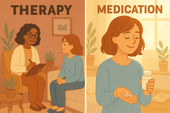
Medication vs Therapy: Treating MS-Related Depression Effectively
Explore whether therapy, medication, or both are best for treating MS-related depression. Understand what works, when—and why combination care is often ideal.
-

How to Support a Partner with MS and Depression
Learn how to support a partner living with MS and depression—practical tips, emotional tools, and ways to protect your own mental health too.
-

The Emotional Cost of Losing Your Old Life
Losing your old life to MS isn’t just about physical symptoms—it’s about grieving the identity, dreams, and freedom you once had. This article explores the emotional toll of invisible grief and how to begin healing without denying the pain.
-
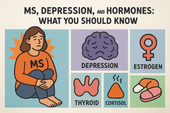
MS, Depression, and Hormones: What You Should Know
MS-related depression isn’t always just emotional—it can be hormonal. Discover how thyroid, sex, and stress hormones influence mood in MS, why women may feel worse during PMS or menopause, and what signs to look for when hormones may be driving emotional instability.
-
MS and Anhedonia: Reclaiming Pleasure One Step at a Time
Anhedonia—feeling emotionally flat or disconnected—is a common but misunderstood symptom of MS depression. This article explores how neuroinflammation, dopamine disruption, and fatigue can dull your sense of joy—and how small, gentle steps can help you begin to feel again.
-
How to Handle the Emotional Numbness of MS Depression
Emotional numbness in MS depression doesn’t always look like sadness—it can feel like nothing at all. Learn why this disconnection happens, how it's tied to neuroinflammation and nervous system overload, and discover science-backed strategies to gently reconnect with your emotions.
-
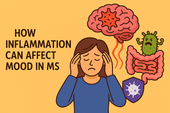
How Inflammation Can Affect Mood in MS
Mood swings and emotional numbness in MS aren’t just psychological—they can be driven by immune system inflammation. This article explores how inflammatory cytokines affect the brain, why mood changes are often biological, and what you can do to calm your nervous system from the inside out.
-
Recognizing Depression in MS: It's Not Just Sadness
Depression in multiple sclerosis (MS) is more than just sadness—it can be a neurological symptom, a side effect of inflammation, or a silent weight that masks itself as fatigue or emotional numbness. This article helps you recognize the hidden signs of MS-related depression, understand the science behind it, and explore real treatment options that support both mental and physical health.
-

Is Cryotherapy Safe for MS? Pros, Cons, and How It Compares to Cold Plunges
Cryotherapy promises quick recovery, inflammation reduction, and mood support—but is it safe for people with MS? This article breaks down the science, risks, and real-life benefits of cryotherapy for multiple sclerosis. You’ll also learn how it compares to cold plunges and which option may be better for calming flares and regulating your nervous system.
-
Can Cold Plunges Help Reduce Inflammatory Flares in MS?
Flares in multiple sclerosis (MS) are often driven by inflammation—but what if cold water could help turn down the heat? This in-depth article explores how cold plunges may help reduce flare frequency and intensity in MS by calming the immune system, lowering pro-inflammatory cytokines, and regulating the nervous system. Learn how to safely use cold exposure as part of your MS recovery routine.
-
How Cold Exposure May Help Regulate MS-Related Mood Swings
Mood swings are a common but overlooked challenge in multiple sclerosis (MS). This article explores how cold exposure—like cold plunges and showers—may help regulate emotional ups and downs by calming the nervous system, reducing inflammation, and boosting mood-enhancing chemicals. Learn how to use this natural tool safely to support your mental and emotional resilience with MS.
-
MS Fatigue Toolkit: Why Cold Plunges Deserve a Spot in Your Daily Routine
Fatigue is one of the most debilitating symptoms of multiple sclerosis (MS)—often invisible, misunderstood, and overwhelming. While no single tool can eliminate it, building a personalized fatigue management toolkit can make life more manageable. One surprising contender? Cold plunges. In this article, we explore why cold water immersion might be the refresh button your nervous system needs—and how to safely make it part of your MS fatigue routine.
-

Cold Therapy vs. Heat Therapy for MS: Which One Helps More?
Managing multiple sclerosis (MS) often means navigating symptoms like fatigue, spasticity, pain, and nerve dysfunction. But when it comes to using temperature-based therapies, there’s a question many patients face: Should I be using cold or heat? In this in-depth guide, we explore the benefits, risks, and best use cases of cold therapy vs. heat therapy for MS.
-

From the Tub to the Brain: How Cold Plunges Might Support Cognitive Clarity in MS
Cognitive fog is one of the most frustrating symptoms of multiple sclerosis (MS). But could cold plunges—those bracing dips into icy water—offer a surprising path to mental clarity? This article explores the emerging science behind cold exposure, brain function, and how a cold tub might help people with MS sharpen focus, lift brain fog, and reset their nervous system.
-
Why MS Patients Are Turning to Cold Plunges for Relief and Resilience
Cold plunges are no longer just for elite athletes and wellness influencers. A growing number of people with multiple sclerosis (MS) are turning to cold water immersion to ease symptoms, build nervous system resilience, and find calm in the chaos of chronic illness. This article explores why—and how—you might want to give it a try.
-

Cold Plunge Therapy: A Hidden Gem for People with MS?
Cold plunge therapy—once the domain of elite athletes and biohackers—is gaining attention among people with multiple sclerosis (MS). Could it help reduce inflammation, calm the nervous system, and ease MS symptoms like fatigue and spasticity? In this article, we dive deep into the science, benefits, safety, and practical application of cold plunges for MS recovery and symptom relief.
-
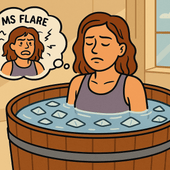
Finding Relief in the Midst of a Flare
MS flares can leave you feeling overwhelmed, exhausted, and mentally foggy. Cold water therapy is emerging as a promising tool to help reset the body and mind after a flare. This article explores how cold exposure supports recovery, calms the nervous system, and can be safely added to your daily routine.
-
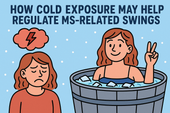
How Cold Exposure May Help Regulate MS-Related Mood Swings
Mood swings in multiple sclerosis (MS) can feel like emotional whiplash—one moment calm, the next overwhelmed, angry, or hopeless. While medications and therapy help, many people with MS are exploring natural strategies to support emotional balance. One surprising tool gaining attention? Cold exposure. In this article, we explore how cold plunges and other forms of cold therapy may regulate the nervous system, stabilize mood, and offer emotional relief for people with MS.

