
Are Weighted Blankets Helpful for People With MS? What to Know Before Trying One
Living with Multiple Sclerosis often means navigating symptoms that go far beyond mobility. Anxiety, sensory overload, poor sleep, muscle tension, and nervous system dysregulation are common — and they can quietly erode quality of life.
Because of this, many people with MS explore non-medical comfort tools that might help them feel calmer or sleep more soundly. One option that often comes up is weighted blankets.
But are weighted blankets actually helpful for people with MS — or can they make symptoms worse?
The answer is nuanced. For some, they’re soothing. For others, they’re uncomfortable or even symptom-triggering. This guide will help you decide whether a weighted blanket is worth trying — and what to look for if you do.
What Is a Weighted Blanket?
A weighted blanket is a blanket filled with materials (often glass beads or pellets) that add gentle, evenly distributed weight. The idea is to create deep pressure stimulation, which some people find calming.
Weighted blankets are commonly used by people with:
- Anxiety
- Restlessness
- Sensory processing differences
- Sleep difficulties
For people with MS, the experience can be very individual — because MS affects sensory processing, temperature regulation, muscle tone, and mobility.
Why Weighted Blankets May Help Some People With MS
Weighted blankets don’t treat MS or change disease progression. However, they may help with certain secondary symptoms for some individuals.
Nervous system calming
Many people with MS experience a constantly “on” nervous system — feeling wired, restless, or unable to fully relax. Gentle pressure can feel grounding and may help signal safety to the body.
Some people describe this as:
- Feeling more settled at night
- Less racing thoughts before sleep
- A sense of containment or comfort
Anxiety and stress support
Anxiety is common in MS, especially when symptoms fluctuate unpredictably. For some, weighted blankets provide a non-stimulating form of comfort that feels reassuring rather than overwhelming.
Difficulty winding down at night
If sleep issues are driven more by restlessness or mental overstimulation (rather than pain or spasticity), a weighted blanket may help with the transition into rest.
When Weighted Blankets May Not Be a Good Fit for MS
Just as important as knowing when they help is knowing when they don’t.
Heat sensitivity (very common in MS)
Many weighted blankets retain heat. If warmth worsens your symptoms — fatigue, weakness, cognitive fog — a weighted blanket may be uncomfortable or counterproductive.
Spasticity or muscle stiffness
Extra weight on the body can sometimes increase muscle tightness or make it harder to move, especially overnight.
Pain or sensory sensitivity
Some people with MS experience allodynia or heightened pressure sensitivity. Even gentle weight can feel unpleasant rather than calming.
Limited strength or nighttime mobility
If turning over, repositioning, or removing heavy bedding is difficult, a weighted blanket may feel restrictive or unsafe.
How to Use a Weighted Blanket Safely If You Have MS

If you’re curious about trying one, it’s important to approach it conservatively.
Start lighter than typical recommendations
General advice often suggests 10% of body weight. Many people with MS do better with less than that.
Try partial use first
Instead of using it all night:
- Place it over your legs only
- Use it for short periods before sleep
- Remove it if you notice heat buildup or stiffness
Choose breathable materials
Cooling or breathable fabrics matter far more for MS than maximum weight.
Listen to your body
If symptoms worsen — heat, stiffness, pain, fatigue — that’s a sign it’s not the right tool for you.
What to Look for in a Weighted Blanket If You Have MS
Not all weighted blankets are created equal. A few features matter especially for people with MS:
- Breathable fabrics (cotton or cooling materials)
- Even weight distribution (to avoid pressure points)
- Multiple weight options, including lighter choices
- Soft, non-irritating textures for sensory comfort
This is why some people explore brands like Mosaic Weighted Blankets.
Mosaic is known for:
- Handcrafted construction
- Breathable cotton options
- Evenly distributed glass beads
- A wide range of sizes and weights
They don’t claim medical benefits — which is important. For the right person, their blankets can serve as a comfort aid, not a treatment.
👉 Learn more about Mosaic Weighted Blankets here:
https://livewithms.com/mosaicblanket
(This link supports LiveWithMS at no additional cost to you.)
Weighted Blankets vs Other Comfort Tools for MS
Weighted blankets are just one option. Depending on your symptoms, alternatives may be more comfortable:
- Cooling blankets or temperature-regulating bedding
- Light compression garments (for daytime use)
- Breathwork or nervous system regulation techniques
- Sensory-soothing routines before bed
There’s no single solution — and that’s okay.
What Weighted Blankets Don’t Do (Important Expectations)
To avoid disappointment, it’s important to be clear:
- ❌ They do not treat MS
- ❌ They do not reduce inflammation
- ❌ They do not cure sleep disorders
- ❌ They do not replace medical care
They are a comfort tool, not a therapy.
Bottom Line: Are Weighted Blankets Worth Trying With MS?
Weighted blankets can be helpful for some people with MS — particularly those dealing with:
- Anxiety
- Restlessness
- Difficulty winding down at night
They are less suitable for people with:
- Heat sensitivity
- Spasticity
- Pain or pressure sensitivity
If you’re curious, start gently, choose breathable materials, and pay close attention to how your body responds.
With MS, the goal isn’t to force solutions — it’s to reduce unnecessary strain and support comfort where possible.
Related Posts
-

Walking With MS? These Shoes Changed Everything: A Complete Guide to Cadense Adaptive Footwear for Balance, Stability & Foot Drop Support
Walking with MS can feel unpredictable—some days your legs feel heavy, your balance feels off, or your foot catches for no reason. This in-depth guide explores how Cadense adaptive shoes can make walking smoother, safer, and less exhausting by supporting foot drop, balance issues, neuropathy, and fatigue. If you’ve been searching for footwear that genuinely helps with MS mobility challenges, this is the guide you’ll want to read.
-

Learning to Feel Safe in Your Body Again
If your body no longer feels like a safe place—due to trauma, chronic illness, or anxiety—you’re not alone. This guide offers gentle, body-based strategies to help you reconnect with yourself, regulate your nervous system, and rebuild trust in your physical experience.
-

When You Feel Emotionally Unlovable: Challenging the Lie
Feeling unlovable because of your emotions, illness, or sensitivity? You’re not broken—you’re healing. Learn how to challenge the lie of emotional unworthiness and rebuild self-trust, one compassionate step at a time.
-
Brain Fog and Fatigue: How to Stop Blaming Yourself
Struggling with brain fog or chronic fatigue? You’re not lazy or failing. Learn how to stop blaming yourself for symptoms caused by MS or chronic illness, and start embracing a more compassionate path to healing and self-understanding.
-

Creating an Emotional Support Team You Actually Trust
Tired of feeling unsupported or misunderstood? Learn how to build an emotional support team you actually trust—with people who see you, hold space for you, and respect your boundaries, especially when living with MS or chronic illness.
-

MS, Vulnerability, and the Fear of Being Seen
Living with MS can make vulnerability feel unsafe. Learn why so many people with MS hide their struggles—and how to gently move toward authenticity, self-acceptance, and deeper connection without shame.
-
Mindful Transitions Between Rest and Action
Struggling to shift between rest and activity without guilt or overwhelm? This guide offers gentle, mindful strategies to make transitions feel more natural, intentional, and supportive of your nervous system.
-
The Pain of Being Misunderstood—And How to Cope
Feeling the sting of being misunderstood? Learn why it hurts so deeply and discover practical, healing strategies to protect your truth, communicate clearly, and rebuild emotional safety when others just don’t get it.
-
Letting Go of Productivity Guilt When You Need to Rest
Struggling with guilt every time you try to rest? Learn how to release productivity shame, understand why rest matters, and embrace a more compassionate rhythm for healing and recovery—without feeling lazy.
-

Rebuilding Energy Reserves Without Shame
-
What to Do If You Feel Emotionally Invalidated by Doctors
Feeling emotionally invalidated by your doctor can be deeply distressing. Learn how to recognize medical gaslighting, validate your own experience, and advocate for better care when you’re not being heard.
-
How to Rest Without Feeling Lazy
Rest isn’t laziness—it’s a necessary act of self-respect. Learn how to shift your mindset, let go of guilt, and embrace rest as a vital part of mental and physical well-being.
-

Redefining Energy Management as Emotional Self-Care
Energy isn’t just physical—it’s emotional. Learn how redefining energy management as emotional self-care can help you protect your peace, support your nervous system, and live more in tune with your true needs.
-
Sleep Deprivation and Emotional Dysregulation in MS
-
How to Cope When Friends Disappear After Diagnosis
Losing friends after a diagnosis can feel like another kind of grief. Discover why some friends disappear—and how to cope with the emotional fallout while building more supportive relationships.
-
How to Talk to Your Kids About MS Without Overwhelming Them
Struggling with how to explain MS to your kids? Learn how to talk to children of all ages about multiple sclerosis with honesty, clarity, and emotional safety—without overwhelming them.
-
MS and the Fear of Emotional Abandonment
The fear of emotional abandonment is common for people with MS. This article explores why it happens, how it impacts your relationships, and how to create emotional safety and healing.
-

Forgiveness, Closure, and Letting Go of the Past with MS
Living with MS often brings emotional wounds from the past. Learn how forgiveness, closure, and letting go can help you heal emotionally—and reclaim peace in the present.
-
Supplements and Habits That Support Sleep and Emotional Balance
Struggling with poor sleep and emotional ups and downs? Discover calming supplements and daily habits that support deep rest and mental well-being—backed by science and easy to implement.
-
When Insomnia Feels Like Your MS Brain Won’t Turn Off
Struggling to sleep with MS? When your brain won’t shut off at night, insomnia feels relentless. Learn what causes it—and discover science-backed strategies to calm your mind and finally rest.
-
The Emotional Toll of Waking Up Tired Every Day: Why It Hurts More Than You Think
Waking up tired every day takes a deep emotional toll—from mood swings to lost motivation and self-doubt. Learn why chronic fatigue hurts more than you think and how to gently reclaim your mornings.
-
Bedtime Anxiety and MS: How to Break the Cycle
Bedtime anxiety is a common struggle for people with MS—and it’s more than just racing thoughts. Learn how MS-related stress, nervous system dysregulation, and fear of symptoms can create a cycle of sleeplessness, and discover practical, calming strategies to finally reclaim restful nights.
-
How Mental Health Affects Sleep Quality in MS: Breaking the Cycle of Fatigue and Emotional Distress
Struggling to sleep when you have MS? Discover how anxiety, depression, and neurological changes impact your rest—and what you can do to reclaim it. From CBT-I and calming supplements to lifestyle tips that support both mental health and sleep, this guide offers practical strategies for better nights.
-

Learning to Love Your Life (Even When It’s Not What You Expected)
Your life may not look how you imagined—but it’s still worth loving. Learn how to find peace, purpose, and joy in the unexpected.
-
Tips for Managing Depressive Thoughts Without Judgment
Learn how to meet depressive thoughts with compassion, not shame. These gentle, research-backed tools help you manage low moods without self-judgment.
-
Rewiring Hope: How to Slowly Come Back to Life
Feeling emotionally numb or disconnected? Learn how to gently rebuild hope, one small sensory step and spark of life at a time.
-
Depression and Suicidality in MS: A Conversation That Needs to Happen
Depression and suicidality in MS are real—and urgent. Learn why we must talk about it, how to spot warning signs, and where to find help and hope.
-
Finding Meaning When Life Feels Empty
Feeling disconnected or numb? Discover gentle ways to find meaning again—even in emptiness—through daily rituals, reflection, and purpose.
-
The Power of Daily Structure in Preventing Mental Health Spirals
Daily structure can prevent mental health spirals by creating safety, routine, and self-trust—especially for those with MS, depression, or anxiety.
-

Healing from Emotional Flatness with Sensory Rituals
Feeling emotionally numb or disconnected? Discover how sensory rituals can gently restore pleasure, presence, and emotional resilience.
-

The Role of Light Therapy for Seasonal Depression and MS
Can light therapy ease seasonal depression in people with MS? Discover the science, benefits, and how to use it safely for better mood and energy.
-
Medication vs Therapy: Treating MS-Related Depression Effectively
Explore whether therapy, medication, or both are best for treating MS-related depression. Understand what works, when—and why combination care is often ideal.
-

How to Support a Partner with MS and Depression
Learn how to support a partner living with MS and depression—practical tips, emotional tools, and ways to protect your own mental health too.
-

The Emotional Cost of Losing Your Old Life
Losing your old life to MS isn’t just about physical symptoms—it’s about grieving the identity, dreams, and freedom you once had. This article explores the emotional toll of invisible grief and how to begin healing without denying the pain.
-
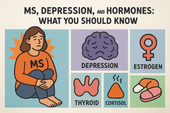
MS, Depression, and Hormones: What You Should Know
MS-related depression isn’t always just emotional—it can be hormonal. Discover how thyroid, sex, and stress hormones influence mood in MS, why women may feel worse during PMS or menopause, and what signs to look for when hormones may be driving emotional instability.
-
MS and Anhedonia: Reclaiming Pleasure One Step at a Time
Anhedonia—feeling emotionally flat or disconnected—is a common but misunderstood symptom of MS depression. This article explores how neuroinflammation, dopamine disruption, and fatigue can dull your sense of joy—and how small, gentle steps can help you begin to feel again.
-
How to Handle the Emotional Numbness of MS Depression
Emotional numbness in MS depression doesn’t always look like sadness—it can feel like nothing at all. Learn why this disconnection happens, how it's tied to neuroinflammation and nervous system overload, and discover science-backed strategies to gently reconnect with your emotions.
-
How Inflammation Can Affect Mood in MS
Mood swings and emotional numbness in MS aren’t just psychological—they can be driven by immune system inflammation. This article explores how inflammatory cytokines affect the brain, why mood changes are often biological, and what you can do to calm your nervous system from the inside out.
-
Recognizing Depression in MS: It's Not Just Sadness
Depression in multiple sclerosis (MS) is more than just sadness—it can be a neurological symptom, a side effect of inflammation, or a silent weight that masks itself as fatigue or emotional numbness. This article helps you recognize the hidden signs of MS-related depression, understand the science behind it, and explore real treatment options that support both mental and physical health.
-

Is Cryotherapy Safe for MS? Pros, Cons, and How It Compares to Cold Plunges
Cryotherapy promises quick recovery, inflammation reduction, and mood support—but is it safe for people with MS? This article breaks down the science, risks, and real-life benefits of cryotherapy for multiple sclerosis. You’ll also learn how it compares to cold plunges and which option may be better for calming flares and regulating your nervous system.
-
Can Cold Plunges Help Reduce Inflammatory Flares in MS?
Flares in multiple sclerosis (MS) are often driven by inflammation—but what if cold water could help turn down the heat? This in-depth article explores how cold plunges may help reduce flare frequency and intensity in MS by calming the immune system, lowering pro-inflammatory cytokines, and regulating the nervous system. Learn how to safely use cold exposure as part of your MS recovery routine.
-
How Cold Exposure May Help Regulate MS-Related Mood Swings
Mood swings are a common but overlooked challenge in multiple sclerosis (MS). This article explores how cold exposure—like cold plunges and showers—may help regulate emotional ups and downs by calming the nervous system, reducing inflammation, and boosting mood-enhancing chemicals. Learn how to use this natural tool safely to support your mental and emotional resilience with MS.
-
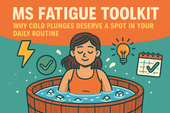
MS Fatigue Toolkit: Why Cold Plunges Deserve a Spot in Your Daily Routine
Fatigue is one of the most debilitating symptoms of multiple sclerosis (MS)—often invisible, misunderstood, and overwhelming. While no single tool can eliminate it, building a personalized fatigue management toolkit can make life more manageable. One surprising contender? Cold plunges. In this article, we explore why cold water immersion might be the refresh button your nervous system needs—and how to safely make it part of your MS fatigue routine.
-

Cold Therapy vs. Heat Therapy for MS: Which One Helps More?
Managing multiple sclerosis (MS) often means navigating symptoms like fatigue, spasticity, pain, and nerve dysfunction. But when it comes to using temperature-based therapies, there’s a question many patients face: Should I be using cold or heat? In this in-depth guide, we explore the benefits, risks, and best use cases of cold therapy vs. heat therapy for MS.
-
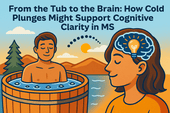
From the Tub to the Brain: How Cold Plunges Might Support Cognitive Clarity in MS
Cognitive fog is one of the most frustrating symptoms of multiple sclerosis (MS). But could cold plunges—those bracing dips into icy water—offer a surprising path to mental clarity? This article explores the emerging science behind cold exposure, brain function, and how a cold tub might help people with MS sharpen focus, lift brain fog, and reset their nervous system.
-
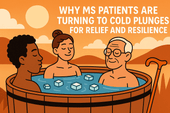
Why MS Patients Are Turning to Cold Plunges for Relief and Resilience
Cold plunges are no longer just for elite athletes and wellness influencers. A growing number of people with multiple sclerosis (MS) are turning to cold water immersion to ease symptoms, build nervous system resilience, and find calm in the chaos of chronic illness. This article explores why—and how—you might want to give it a try.
-

Cold Plunge Therapy: A Hidden Gem for People with MS?
Cold plunge therapy—once the domain of elite athletes and biohackers—is gaining attention among people with multiple sclerosis (MS). Could it help reduce inflammation, calm the nervous system, and ease MS symptoms like fatigue and spasticity? In this article, we dive deep into the science, benefits, safety, and practical application of cold plunges for MS recovery and symptom relief.
-
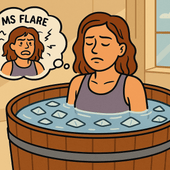
Finding Relief in the Midst of a Flare
MS flares can leave you feeling overwhelmed, exhausted, and mentally foggy. Cold water therapy is emerging as a promising tool to help reset the body and mind after a flare. This article explores how cold exposure supports recovery, calms the nervous system, and can be safely added to your daily routine.
-
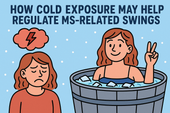
How Cold Exposure May Help Regulate MS-Related Mood Swings
Mood swings in multiple sclerosis (MS) can feel like emotional whiplash—one moment calm, the next overwhelmed, angry, or hopeless. While medications and therapy help, many people with MS are exploring natural strategies to support emotional balance. One surprising tool gaining attention? Cold exposure. In this article, we explore how cold plunges and other forms of cold therapy may regulate the nervous system, stabilize mood, and offer emotional relief for people with MS.

